All Categories
Featured
Table of Contents
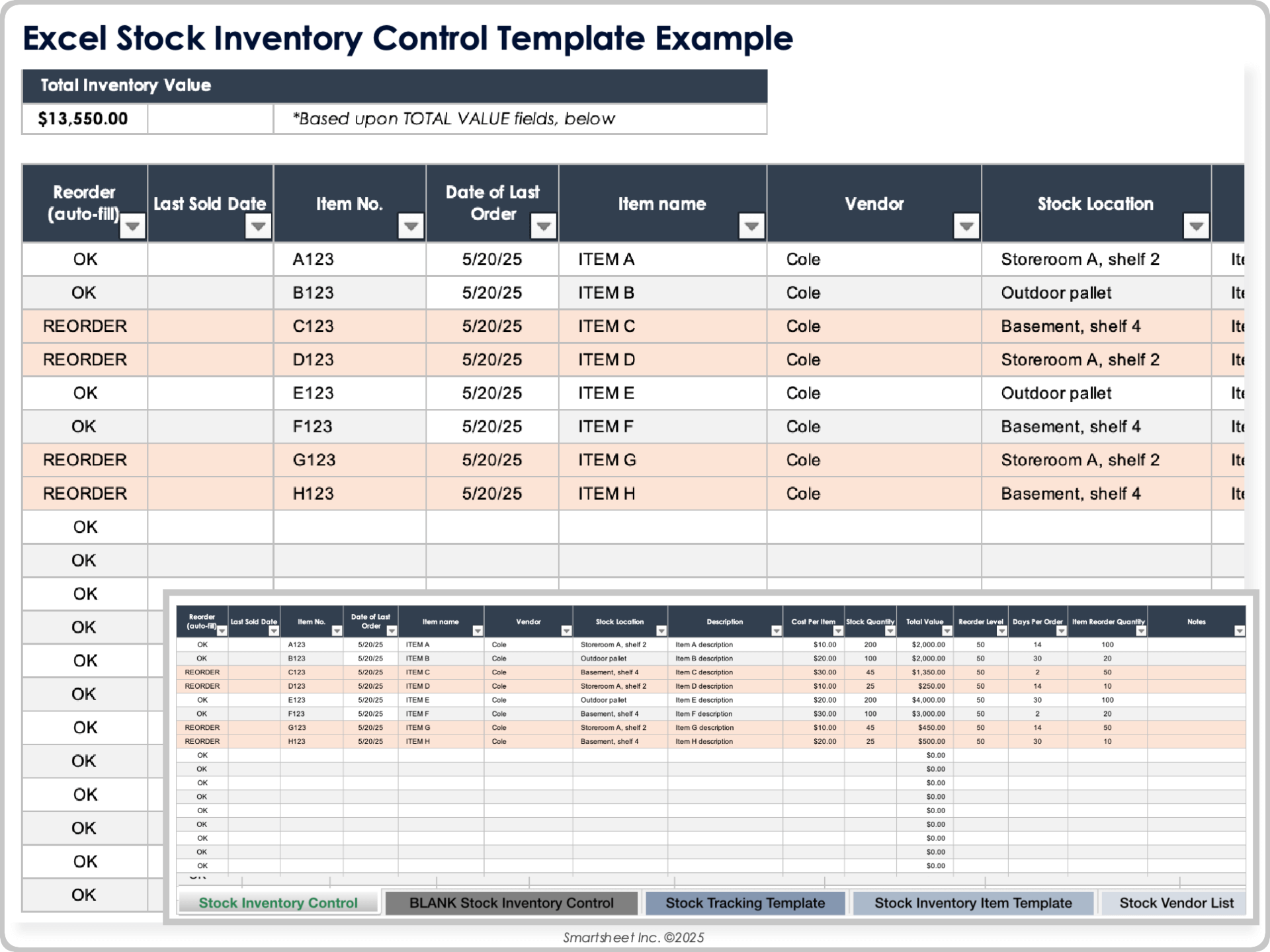
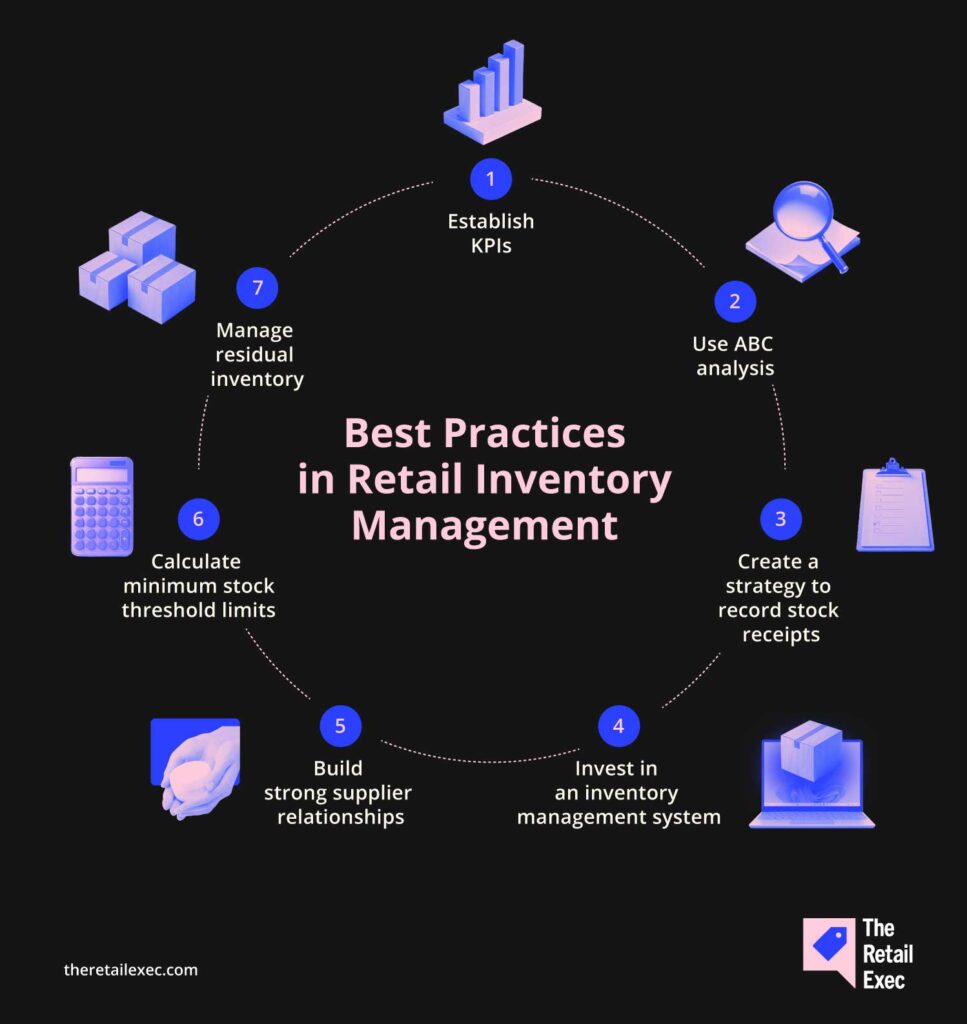
Walmart's vendor-managed model, on the other hand, implies suppliers can access their own data from Walmart's info system and have more control over their stock management requirements. Source: Reliable starts with understanding what you have in stock, how it's performing, and when you'll need more of it. You need to keep precise records for each product and ensure your system updates every time there's a modification to the stock.
Each service has different top priorities, so you should identify what you want to accomplish with a stock management system. JIT or dropshipping techniques can help.
There's a strong case for automation in inventory management, however in some cases there's space for the human touch. Manual stock counting serves as a backup for your digital systems, and it works for counting low quantities of high-value products. You're more most likely to discover obsolete, taken, or harmed stock if you examine it in individual.
How to Optimize Modern Store Inventory Levels
Often, this will be through utilizing innovation. Introducing barcode scanners will help warehouse staff locate the ideal products and optimizing warehouse layouts will save them time.
You must monitor your providers' efficiency and guarantee you're getting the very best value. Brightpearl gives you a devoted portal for provider management. Manual inventory management methods used to be prevalent, and some little companies still utilize them. The issue is that handbook work is lengthy and error-prone. Paper records can easily be lost or destroyed.
Balancing Stock Costs and Labor SchedulingAnd the larger your stock gets, the harder it is to track manually. By taking inventory management online, you can digitize your records, automate procedures, and keep everything in one location. The system should upgrade immediately whenever there's a change. Alongside increased exposure, numerous online systems consist of analytics, reporting, and forecasting capabilities to inform your inventory planning and assist recognize development chances.
Top Accounting Practices for Small Retail Growth
As you're responsible for maintenance and upgrades, you'll need an internal IT teamnot to point out space to keep large servers. The option is a cloud-based solution, where all your systems and information are housed and kept by your service provider, and your whole group can access the system from anywhere. Cloud-based stock management makes it easy to scale, as you pay a flat monthly subscription and add more users or functions when you require them.
It provides a real-time view of inventory and lessens manual processes with automatic tracking. It makes it possible for multi-location fulfillment, demand-based replenishment, cycle counting, and lot and serial tracing.
:max_bytes(150000):strip_icc()/inventory-management-8595e839c2884128997ca77f00a8da2b.jpg)
It does not have lots of integrations, does not use APIs, and charges additional for Shopify Connector. If you're an omnichannel retailer, you'll likely require modifications to fulfill your requirements. Plus, you'll be spending for functions and aspects you do not need. Your yearly license fee covers the core platform, optional modules, and the number of users.
There's likewise a one-time implementation charge. Source: QuickBooks Commerce is a B2B-focused cloud-based system that comprises inventory management, order processing, and supply chain management.
It's created to work seamlessly with QuickBooks Online's accounting suite, however Commerce is only available as part of that package. It's still budget friendly, currently $52.50/ month for the very first three months (regular cost: QuickBooks Commerce $50/month and QuickBooks Online Essentials $55/month). If you already have QB Online, you can add Commerce for $25/month for the first 3 months.
Navigating 2026 Business Loan Requirements for Modern Growth
It doesn't have flexible payment choices or high-volume connectors (the integration with Xero is unreliable). Neither does it support any POS combinations, which isn't ideal if you have physical shops. Typically, the features are less advanced than Brightpearl, particularly when it pertains to customizable workflow automation. The site explains QB Commerce as "presently readily available to a minimal group of consumers" and mentions a wait-list.
It has order management automation (including order) and demand forecasting with real-time data and the ability to manage supplier relationships. There are 70+ marketplaces and multichannel combinations, and you can link major carriers and satisfaction services. However it doesn't have integrated real-time accounting or native integrations to third-party accounting software application.

Latest Posts
Why Inventory Precision Cuts Store Overhead
Storefront Automation: Improving Efficiency for Growth
7 Simple Tips for Running a Profitable Storefront