All Categories
Featured
Table of Contents
Running a little service includes countless obligations, and keeping track of your finances is among the most vital. Bookkeeping the process of recording, arranging, and handling monetary transactions guarantees that you always have a clear photo of your financials. Whether you're tracking income and costs, fixing up bank statements, or getting ready for tax season, great accounting practices lay the structure for long-lasting success of your company.
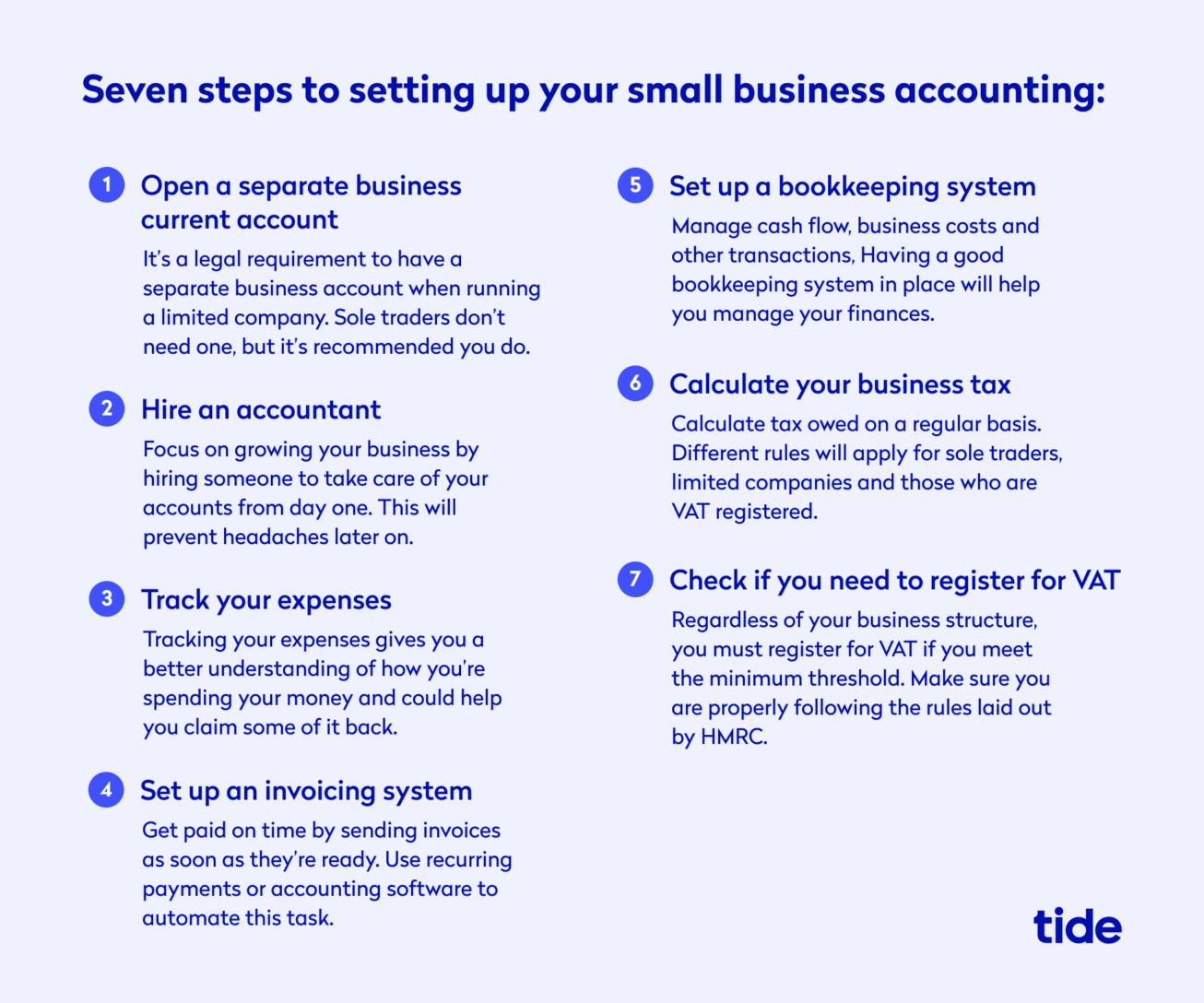
So being on top of your books is actually paramount. Accurate accounting isn't simply about remaining organized (although company is critical in today's unpleasant world); it straight impacts your ability to make informed choices, protected financing, and remain compliant with tax policies. Without a solid accounting system, small organization owners risk monetary mismanagement, missed out on development chances, and even possible legal troubles.
Navigating Business Loan Requirements for GrowthIn this guide, we will respond to the following concerns: What is Small Service Bookkeeping? Why Bookkeeping is Crucial for Small BusinessesWhat are Basic Bookkeeping Jobs for Small Company Owners? How to Do Your Own Accounting as a Small Company Owner? When to employ an accountant for your service? Which Small Company Bookkeeping mistakes should you keep an eye out for? Let's dive right in! Small organization accounting is the process of recording, arranging, and preserving financial deals, for small companies.

(assuming, of course, that they are ecommerce brand names).
Storefront Automation: Improving Performance for Growth
It reveals the brand name's earnings from sales of products or services and lists all its expenditures by main categories. The difference between the profits and expenditures is your earnings or loss. A balance sheet supplies a quick snapshot of a brand name's financial position. It lists all of the company's properties, liabilities, and equity, enabling owners, accountants, and potential investors to rapidly evaluate and comprehend what the business may be worth.
It assists services keep track of liquidity and guarantee there's adequate money to cover expenditures. This is more functional than the earnings and loss declaration. Includes sales tax reports (which are state level), earnings tax filings (both state and federal), and other tax-related documents to keep compliance and simplify tax preparation. Documents earnings, wages, tax withholdings, and staff member benefits to make sure compliance with labor and tax laws.
Frequently upgrading these financial records and others to ensure that all financial deals are represented is at the heart of bookkeeping. At this moment, it is very important to stress the difference in between accounting and accounting. While they are closely associated, bookkeeping and accounting serve different functions: Accounting focuses on the day-to-day recording and organization of financial deals; accounting, on the other hand, is the practice of reporting and evaluating monetary data.
Obviously, how you keep your books determines what those books can inform you, which is why accounting just ends up being a profit-generating mechanism when financial data is tracked and handled in the proper way. Accounting isn't almost monitoring numbers; it's about providing clarity and instructions for company owner to make educated choices that will form the future of their organization.
A Detailed Manual for Modern Business Funding Prerequisites
By maintaining comprehensive records, small companies can monitor success, recognize spending patterns, and determine areas where costs can be minimized. Without appropriate bookkeeping, it's simple to lose track of monetary inflows and outflows, which can result in capital problems and monetary instability. You could, for instance, have specific SKUs that are not profitable (or not as rewarding as others), and you simply will not know it with poor bookkeeping.
Whether it's figuring out the correct time to purchase new equipment, employing staff members, or cutting down on unneeded expenditures, properly maintained monetary records provide the insights needed to prepare strategically. With reliable accounting, small organization owners can examine patterns, projection future earnings, and set realistic financial objectives. Keeping arranged financial records is vital for satisfying tax responsibilities and avoiding costly penalties.
Simply put, your books ought to be as tax all set as possible. In addition, in case of an audit, having well-organized records can offer proof of compliance, reducing the risk of fines or legal concerns. Lenders and investors need a clear photo of a service's monetary position before approving loans or financing.
Lenders frequently evaluate monetary declarations to examine an organization's ability to repay a loan. Without correct bookkeeping, little companies may struggle to present an engaging case, restricting their access to vital funding chances, or leading to higher efficient rate of interest. Among the basic tasks of accounting is taping all earnings and expenses to keep an accurate financial record.

Latest Posts
Why Inventory Precision Cuts Store Overhead
Storefront Automation: Improving Efficiency for Growth
7 Simple Tips for Running a Profitable Storefront